ホーム/ニュース/Downtime in Southeast Asian Metal Processing Linked to Frequent Blade Replacement
Downtime in Southeast Asian Metal Processing Linked to Frequent Blade Replacement
July 28, 2023
Market Background: Downtime Challenges in Metal Processing Lines
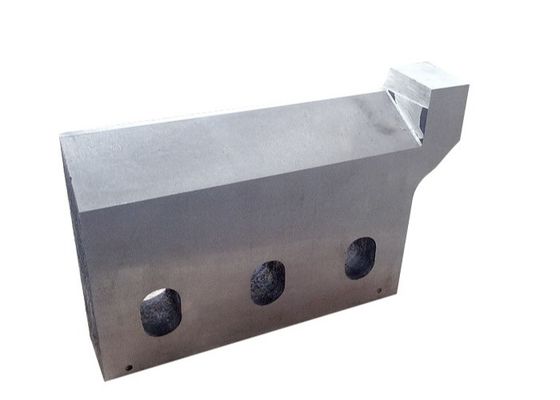
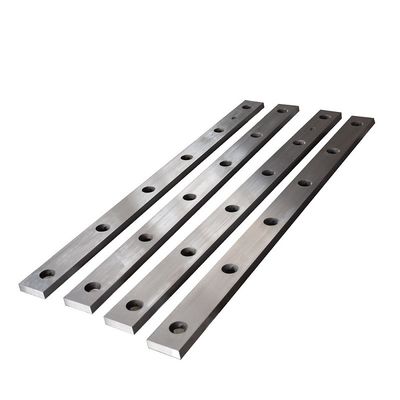
In Southeast Asia, metal processing industries such as steel fabrication, sheet metal cutting, and plate processing are expanding rapidly. Many manufacturers operate continuous production systems, including guillotine shear machines and cut-to-length lines.
Under these conditions, production efficiency depends on stable cutting performance. However, frequent blade replacement has become a common issue affecting production continuity. Each blade change interrupts the workflow, leading to downtime and impacting overall operational stability.
As a result, reducing blade replacement frequency has become an important consideration for maintaining efficient metal processing lines.
Causes of Frequent Blade Replacement
Blade Material and Heat Treatment
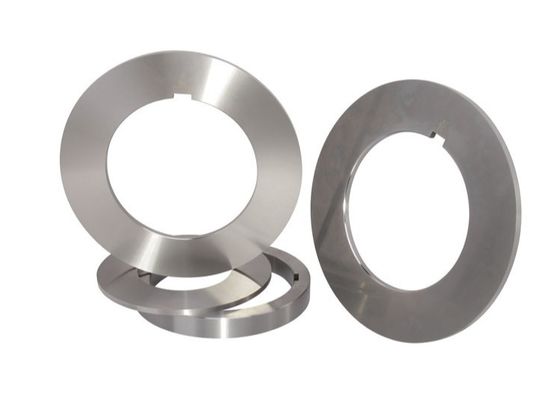
Shear blades used in metal processing are typically manufactured from tool steels. If the heat treatment process is not properly controlled, the blade may not maintain the required balance between hardness and toughness during cutting.
This can lead to:
accelerated wear
edge chipping
reduced service life
Cutting Conditions in Continuous Operation
In continuous metal processing lines, blades are subjected to repeated cutting cycles. Materials such as carbon steel and stainless steel can increase cutting load, especially when processing thicker plates.
Under these conditions, blade performance depends on:
material strength
edge geometry
process stability
Dimensional Accuracy and Installation
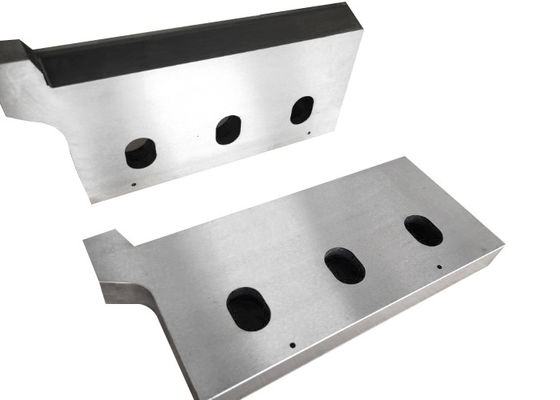
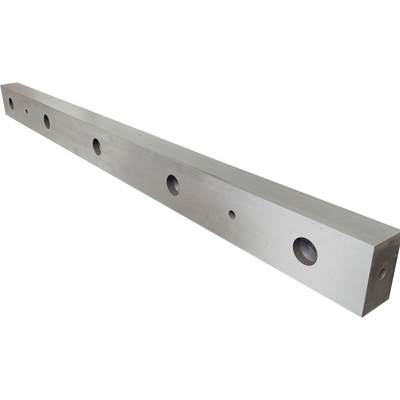
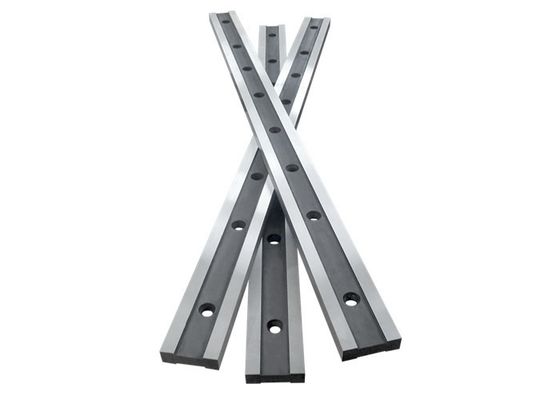
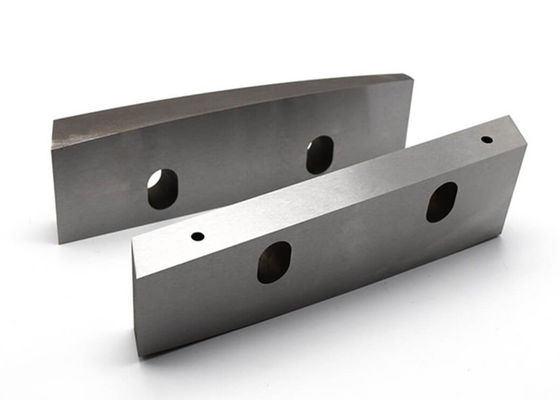
Shear blades require precise dimensional control to ensure proper alignment within the machine. Any deviation in blade dimensions or installation may result in uneven load distribution along the cutting edge.
This can cause localized wear and lead to frequent blade replacement.
Role of Shear Blades in Reducing Downtime
Controlled Heat Treatment
Shear blades manufactured with controlled heat treatment can maintain structural stability under repeated cutting loads. This helps the blade operate under continuous production conditions.
Precision Grinding and Edge Consistency
Precision grinding ensures a straight and consistent cutting edge. This helps distribute cutting forces evenly across the blade and reduces localized stress.
Application Matching
Selecting shear blades based on:
material type
plate thickness
machine configuration
helps ensure that the blade operates under appropriate cutting conditions and reduces unnecessary wear.
Selection Guide for Metal Processing Lines
When selecting shear blades to reduce replacement frequency, manufacturers typically consider:
tool steel material with controlled heat treatment
precision ground cutting edge
dimensional consistency for machine compatibility
These parameters are directly related to blade performance in continuous production environments.
Conclusion
Frequent blade replacement is a common issue in metal processing lines in Southeast Asia, often leading to downtime and reduced production continuity.
Shear blades manufactured with controlled heat treatment, precision grinding, and proper dimensional matching are widely used to support stable cutting performance and maintain operational continuity in industrial applications.